
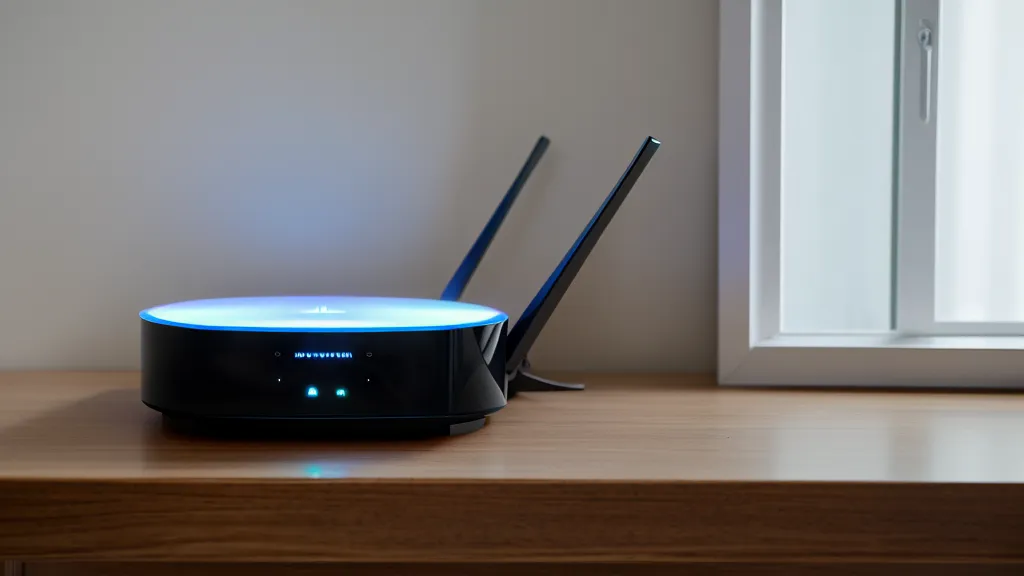
Late last October, in my Seattle home office, I received a delayed notification that a vendor from my 2023 employer breach had finally leaked my personal info. It was that specific kind of 'inventory leak' where your home address and SSN are just sitting in a CSV file on a forum somewhere. I looked at my flashing router and realized my 'set it and forget it' security wasn't enough anymore. It felt like my home network had too many flags planted in it, and not the good kind.
Before we get into the weeds, I need to be transparent: I use affiliate links on this site. If you buy a VPN through these links, I earn a commission at no extra cost to you. I only recommend services I have actually paid for and tested with my own hardware—I’ve burned through over a dozen subscriptions in the last two years to settle product debates with numbers instead of marketing fluff.
The Reality of Post-Breach Privacy
When you've been hit by a breach, your threat model changes. You aren't just trying to hide your Netflix habits from your ISP; you're trying to minimize your digital footprint so that the *next* time a database gets dumped, there’s less of you to find. Choosing a VPN in this state is a lot like picking a cloud storage plan—you can go for the flashy one with the best UI, or you can go for the one that actually handles your data like it's radioactive.
I started a massive spreadsheet to track server pings and encryption handshakes. My partner complained about the extra hardware 'flags' I was planting in the living room as I tested different routers, but I needed to know which provider held the line. Every major player uses AES-256 encryption—the government standard—but that’s just the baseline. The real difference is in how they handle the tunnel itself.
Why NordVPN Became My Daily Driver
During my testing, I kept coming back to NordVPN. Their NordLynx protocol is built on WireGuard, which is famously efficient with only about 4,000 lines of code. For a dev, that's a dream—less code means a smaller attack surface. I spent one rainy Tuesday in March running recurring speed tests between NordLynx and ExpressVPN’s Lightway during peak Seattle traffic hours. While both were fast, NordVPN’s consistency across their presence in 111 countries was hard to beat.
But the real turning point happened in early July. I was visiting a legacy documentation site for work—the kind of site that hasn't been updated since 2012—and NordVPN’s Threat Protection caught a malicious tracker that my standard browser setup missed. It wasn't just about the encrypted tunnel; it was about the active filtering. If you're curious about the technical side of that, I did a full NordVPN Threat Protection Pro Review that goes into the malware blocking specifics.
The Obfuscation Tradeoff
One thing I noticed that isn't in the marketing copy is the protocol-level obfuscation. If you're really paranoid after a breach, you might want to hide the fact that you're even using a VPN. NordVPN offers obfuscated servers, but here's the catch: it incurs a higher latency overhead than standard tunnel configurations. It’s like wearing a heavy disguise to a party—it’s great for privacy, but you’re going to move a lot slower. For most dev workflows, the standard NordLynx tunnel is plenty, but having that 'stealth' option is a nice safety net when you’re on a public Wi-Fi network that might be hostile.

Comparing the Field: ExpressVPN, PIA, and Others
I didn't just stick to Nord. I also spent significant time with ExpressVPN. Their Lightway protocol is incredibly snappy, especially on mobile. If you want a 'set it and forget it' experience that feels like a premium Apple product, they are the one. However, after a breach, I found myself wanting more knobs to turn. You can read my detailed NordVPN vs ExpressVPN speed comparison if you want to see the raw data from my fiber connection.
Then there’s Private Internet Access (PIA). They have a massive server network—roughly 35,000 servers—which is great for avoiding congestion. As a dev, I love that their apps are open-source. If you want to audit the code yourself, you can. But for my partner, the interface was a bit too 'early 2000s Linux distro' for her taste.
I also kept CyberGhost in the rotation for a while. They offer a 45-day money-back guarantee, which is longer than the industry standard. It’s a solid choice if you’re on a budget, but I found their speeds outside of the EU to be a bit hit-or-miss compared to the top-tier providers.

The Verdict After 10 Months of Testing
By mid-August, I finally settled on my setup. After rotating through five different subscriptions, I realized that for someone recovering from a data breach, the audit history and integrated threat blocking matter more than having 35,000 servers you'll never use. I stopped using a few others—like one budget provider that shall remain nameless—because their 'no-logs' policy hadn't been audited in years, and that’s a non-starter for me now.
If you're looking for the best balance of speed, audited privacy, and active protection, I'd go with NordVPN. It’s the one that eventually allowed me to clear out that spreadsheet and stop obsessing over my router logs every night. It keeps the data quiet, the connection fast, and most importantly, it keeps my partner happy because the home network finally feels like a home again, not a battlefield of security flags.
If you're ready to lock down your connection after a breach, you can get started with NordVPN here and see if it fits your workflow as well as it did mine.
| Product | Rating | |
|---|---|---|
| NordVPN Editor's Pick | 9.3 | Read More → |
| ExpressVPN | 9.1 | Read More → |
| Private Internet Access | 8.8 | Read More → |
| CyberGhost VPN | 8.5 | Read More → |
| Surfshark | 8.7 | Read More → |
NordVPN
Pros
- ✔ NordLynx protocol is consistently the fastest in my Seattle-based testing
- ✔ Threat Protection actively blocks trackers that standard browsers miss
- ✔ Independently audited no-logs policy provides peace of mind after a breach
- ✔ Meshnet feature is a killer app for secure remote file access
Cons
- ○ The map-based interface can feel a bit cluttered on smaller screens
- ○ Renewal prices jump significantly after the initial two-year term